 March 16, 2026 05:48
Optimising Distribution Facilities Through Strategic Asset Alignment
The operational success of a distribution centre in the modern logistics sector depends on the precise coordination between its physical infrastructure and the mechanical fleet used to manage inventory. In a land-scarce region where vertical space commands a high premium, the decision to invest in specific storage solutions must be balanced against the technical capabilities of the transit machinery. Businesses frequently face the challenge of determining whether to expand their racking systems or upgrade their handling equipment to maintain a consistent throughput rate. A holistic approach to warehouse management ensures that assets are used to their full potential while maintaining strict adherence to safety and regulatory standards. By evaluating the warehouse as a single, integrated system, facility managers can create a resilient framework that supports long-term commercial growth and operational continuity.
Key Takeaways:
-
Integrated audits determine if bottlenecks are caused by fleet or racking.
-
High-density racking often triggers stricter operator training requirements.
-
Machinery must be perfectly matched to the dimensions of the storage grid.
-
Compliance with local standards protects personnel and corporate assets.
-
Maintenance of floors and genuine parts ensures long-term fleet reliability.
Synchronising Storage Infrastructure with Fleet Capabilities
The relationship between a storage system and a material handling fleet is essentially symbiotic, as one cannot function optimally without the support of the other. When a facility decides to install industrial storage racking systems for high-density inventory, such as narrow-aisle or drive-in configurations, the fundamental requirements for the machinery change instantly. If a business currently operates standard counterbalance trucks, these units may be too wide to enter newly tightened aisles safely, potentially leading to structural damage or operational delays. This scenario makes the introduction of a reach truck essential, as these specialised machines are designed specifically to manoeuvre in tight spaces while lifting loads to significant elevations with absolute precision.
Conversely, simply purchasing the latest electric forklift technology will not yield a positive return if the storage infrastructure is not equally modernised or maintained. If a fleet is operated within an ageing or damaged racking grid, the risk of accidental strikes and structural destabilisation increases significantly. To avoid these risks, industry specialists recommend that all dimensions, from turning circles to mast clearance, be meticulously calculated against the physical storage grid. This level of technical compatibility ensures that the relationship between the machine and the aisle is seamless, reducing the likelihood of operational accidents and equipment wear.
Statutory Compliance for Vertical Storage Operations
In the regional logistics landscape, any significant change to warehouse infrastructure or fleet composition must be filtered through the safety frameworks established by the Ministry of Manpower. Introducing new racking configurations or higher-capacity machines triggers a specific cascade of compliance responsibilities for the employer. Specifically, any new or existing fleet must strictly adhere to forklift Singapore fleet compliance standards for vertical storage to remain legally operational. This includes the mandatory requirement for annual Thorough Examinations by an Authorised Examiner and the visible display of a valid Certificate of Test on every vehicle within the facility.
These standards ensure that if a layout change involves stacking heavier loads at greater heights, the machinery, such as an electric pallet jack or a heavy-duty lift truck, has the certified load capacity for the task. Failing to verify these capacities can lead to catastrophic mechanical failure or structural collapse, posing a significant risk to the workforce and the business balance sheet. Maintaining a compliant fleet demonstrates a corporate commitment to professional conduct and ensures that the daily operation remains aligned with national standards of excellence at all times. This rigorous approach to compliance acts as a robust legal shield while fostering a disciplined and professional work atmosphere.

Operator Education for Contemporary Warehouse Layouts
The introduction of modern high-density racking often reveals a gap in operator skills that must be addressed through formal education. There are specific accredited forklift training requirements for new racking installations that employers are required to satisfy to ensure safety in confined spaces. It is incorrect to assume that an operator is automatically qualified for high-bay work simply because they possess a general operator's licence. Instead, personnel must demonstrate specific competence in the context of the new layout, learning to manage the unique physics of high-level load placement.
Accredited training providers teach operators how to respect the machine's limits in confined spaces, perform pre-operation checks on critical components like masts and forks, and understand the stability triangle when lifting to maximum height. This education transforms operators into true logistics professionals who take pride in maintaining a secure work environment. By prioritising these educational requirements, a business ensures that its workforce is equipped to handle the demands of a modern facility with confidence and precision. This investment in human capital is vital for reducing the frequency of racking strikes and protecting expensive machinery from accidental damage.
Analysing Workflow for Equipment and Rack Integration
Before investing in new hardware, such as a powered pallet truck or a ride-on electric pallet truck, a manager must analyse the precise flow of goods within the facility. If a warehouse has ample aisle space but is struggling with storage capacity, the primary issue is likely the racking configuration. Industrial storage racking systems for high-density inventory, such as push-back or double-deep systems, can significantly increase pallet positions without requiring a building expansion. However, these systems often require specialised trucks with reach mechanisms or satellite attachments to access deep-set inventory.
Conversely, if the storage density is adequate but the speed of retrieval is too slow, the problem usually lies with an ageing or inefficient fleet. An older Toyota forklift may be prone to downtime if Toyota forklift spare parts for obsolete models are difficult to source, leading to costly interruptions. In these scenarios, upgrading to a modern electric forklift can improve travel speeds, reduce the frequency of maintenance, and create a cleaner indoor environment. Furthermore, integrating nimble power pallet jack units for horizontal transport can relieve larger reach trucks of low-level tasks, allowing them to focus exclusively on high-bay replenishment.
Facility Maintenance and Equipment Longevity
The physical condition of the warehouse floor is a critical factor that determines the lifespan of both the racking and the machinery. High-density racking systems place immense point loads on the concrete, and any unevenness or cracks can compromise structural stability over time. Similarly, a modern electric pallet truck fleet requires a smooth and clean surface to operate at its engineered efficiency. Debris on the floor can quickly damage expensive polyurethane wheels and lead to dangerous load instability during high-speed transit.
This is why the use of industrial scrubbing machines is considered a vital part of proactive facility management. Integrating scrubbing machines into the daily routine ensures that floor surfaces remain free of the grime and debris that can corrode racking uprights or interfere with forklift sensors. A well-maintained floor allows every powered pallet truck in the fleet to travel at optimal speeds without the risk of tyre damage or skidding. This small but significant detail protects the long-term investment in the facility's core hardware and extends the operational life of the entire system.
The decision between upgrading forklifts or racking should never be made in isolation; it requires a diagnostic approach that considers the space, the hardware, and the team. The most successful logistics operations are those where every element is aligned to support a common goal of efficiency and safety. Whether a facility settles on a fleet of nimble electric pallet jack units for a retail storeroom or a heavy-duty reach truck for a high-bay system, the machinery must complement the infrastructure. For businesses on a budget, a used reach truck for sale Singapore companies provide can be a viable option, provided it meets all current safety standards.
Ultimately, the goal is to partner with providers like UMW who understand the intricate relationship between the truck, the rack, and the operator. When these three elements are in balance, the warehouse becomes a powerful competitive advantage that can adapt to changing market demands. By maintaining strict compliance and providing comprehensive education, a business ensures that its material handling operations are not only productive today but are resilient enough for the challenges of the future. This holistic alignment is the hallmark of a truly efficient and safe distribution environment.
Read another Article: Elevating Logistics Through Staff Education
Posted March 16, 2026 05:48
 Singapore
 Reply
Reply
July 15, 2025 12:59
Decoding Singapore’s High Forklift Certification Failure Rate
Singapore’s logistics sector thrives on the expertise of skilled forklift operators, yet an alarming 70% of trainees fail their initial certification test, impacting UMW career opportunities and the efficiency of storage racking systems. This high failure rate arises from technical knowledge gaps, insufficient practical experience, and industry-specific challenges. This article delves into five critical reasons for these failures and highlights how industry leaders like UMW Engineering are implementing innovative training solutions to improve success rates and prepare operators for Singapore’s dynamic logistics environment.
1. Overcoming Technical Knowledge Barriers
A significant factor contributing to forklift training failures in Singapore is the underestimation of the technical knowledge required to operate equipment like electric forklifts. Many trainees assume forklift operation is similar to driving a car, overlooking complex concepts such as load stability, weight distribution, and safety protocols essential for managing high-density storage racking. This lack of understanding leads to difficulties in both written examinations and practical assessments, contributing significantly to the high failure rate in forklift Singapore certification tests.
Electric pallet jack Singapore training programs emphasize the unique mechanics of battery-operated equipment, such as power pallet jacks and electric pallet trucks, which require knowledge of battery maintenance, charging procedures, and troubleshooting. Trainees often struggle with these aspects, particularly when operating advanced models like those in the UMW Toyota forklift Malaysia price range, which incorporate sophisticated safety features. This technical knowledge gap hinders their ability to operate equipment safely and efficiently in demanding warehouse settings.
UMW engineering has responded by enhancing forklift training with comprehensive technical modules that provide in-depth resources on equipment mechanics, load calculations, and operational safety. These programs include interactive learning sessions and detailed guides to ensure trainees fully grasp the intricacies of powered pallet trucks and other equipment. By addressing these knowledge deficiencies, UMW Engineering improves certification success rates and equips operators to meet the rigorous demands of Singapore’s logistics industry.
2. Addressing Insufficient Practical Experience
Limited practical experience is a major obstacle for forklift trainees in Singapore, as many training courses offer insufficient hands-on practice time. Operating equipment like reach trucks in tight storage racking systems requires developing muscle memory and spatial awareness, skills that demand extensive practice. Without adequate time to refine these abilities, trainees struggle to demonstrate the precision needed during certification tests, leading to frequent failures.
Navigating narrow warehouse aisles with a powered pallet truck or pallet stacker requires precise control, which is challenging for those with minimal practice. UMW career programs address this by offering extended practical training sessions led by experienced instructors who provide real-time feedback in simulated warehouse environments. These sessions help trainees gain confidence in handling complex maneuvers, such as maneuvering heavy loads through compact storage racking, reducing the likelihood of test failures.
UMW engineering incorporates advanced simulator technology into forklift Singapore training, enabling trainees to practice challenging scenarios without risking damage to equipment or inventory. These simulators replicate real-world warehouse conditions, such as navigating narrow spaces or handling diverse load types, allowing trainees to build critical skills safely. By increasing practical exposure, these programs ensure trainees are well-prepared for both certification tests and the operational demands of Singapore’s logistics sector.
3. Handling Complex Equipment Challenges
The complexity of modern forklifts, such as those in the UMW Toyota forklift Malaysia price range, poses a significant challenge for trainees. These electric forklifts feature advanced safety systems, digital controls, and battery management requirements that demand a thorough understanding. Trainees who lack familiarity with these features often make errors during practical assessments, contributing to the high failure rate in forklift certification tests.
Forklift training programs in Singapore now include specialized modules focused on equipment like electric pallet trucks and power pallet jacks, covering operational nuances and safety protocols. UMW career initiatives provide detailed guidance on equipment-specific procedures, ensuring trainees can operate advanced machinery with confidence. This targeted training helps bridge the gap between theoretical knowledge and practical application, enhancing trainee performance during certification.
UMW engineering tailors training to specific warehouse environments, such as temperature-controlled facilities or high-density storage racking systems, where equipment like reach trucks operates differently. By simulating these conditions, programs ensure trainees are equipped to handle the unique challenges they’ll face in their roles. This approach reduces test failures and prepares operators for long-term success in Singapore’s diverse logistics landscape.
4. Adapting to Diverse Industry Needs
Singapore’s varied warehouse environments, from temperature-controlled facilities to high-traffic storage racking setups, require specialized training approaches. Operating an electric pallet jack Singapore in unique conditions differs significantly from standard warehouse operations, and trainees often fail due to unfamiliarity with these specific scenarios. Industry-specific training is critical to ensuring certification success and operational readiness.
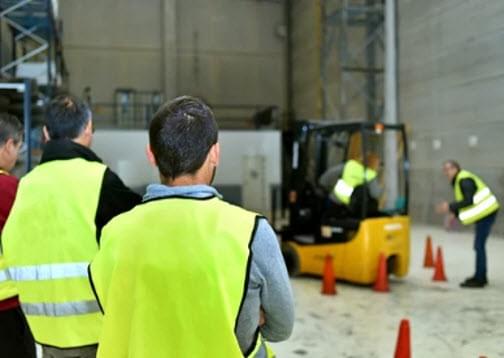
Our comprehensive forklift training certification with UMW Singapore programs incorporates customized modules that address the unique challenges of different workplace environments. Trainees practice with powered pallet trucks and pallet stackers in conditions mimicking their future roles, such as handling heavy loads in compact spaces. This targeted approach builds relevant skills, ensuring operators are prepared for the specific demands of their workplace.
UMW career paths partner with industry leaders to develop training that reflects real-world demands, such as operating in outdoor facilities or high-traffic warehouses. By simulating these environments, programs help trainees build confidence and competence, reducing certification failures. This tailored preparation equips operators to contribute effectively to Singapore’s logistics sector, supporting long-term career growth and operational efficiency.
5. Preparing Trainees for Certification Success
Aspiring forklift operators in Singapore can significantly improve their chances of passing their first certification test by taking proactive steps. Seeking additional practice opportunities with equipment like pallet stackers beyond the standard forklift training curriculum provides a competitive edge. Many training facilities offer extended practice sessions for a nominal fee, allowing trainees to refine their skills in realistic warehouse settings.
Studying the technical aspects of electric forklifts and power pallet jacks is essential for success. Resources from UMW Toyota forklift Malaysia price guides offer clear explanations of critical concepts like weight calculations, stability principles, and battery maintenance. Trainees who dedicate time to these materials are better equipped to handle both the written and practical components of the forklift Singapore test, improving their chances of passing.
UMW career programs encourage trainees to research company-specific equipment and operational procedures before starting training. This preparation builds a strong foundational knowledge base and demonstrates initiative, which can enhance performance during certification. By combining extensive practical experience, thorough technical study, and industry-specific preparation, trainees can overcome the 70% failure rate and achieve success in forklift Singapore certification, paving the way for a rewarding career in logistics.
Posted July 15, 2025 12:59
May 20, 2025 12:15
Advanced Storage Racking Technology for Singapore's Warehouse Sector
I. Revolutionizing Inventory Management Through Strategic Space Utilization
In Singapore's dynamic warehouse sector, businesses require increasingly sophisticated approaches to inventory organization and space management. Modern storage racking systems represent the critical infrastructure that enables companies to achieve superior operational efficiency while optimizing constrained facility space. For operations utilizing specialized equipment such as electric forklifts and power pallet trucks, implementing harmonized racking configurations is vital for establishing an integrated operational environment that enhances both productivity and workplace safety.
Today's racking installations function cohesively with warehouse equipment, including power pallet jacks and reach trucks, creating a synchronized workflow system where material handling processes reach peak efficiency. This integration proves especially valuable in environments where comprehensive forklift training ensures operators maintain exceptional safety standards and operational competence. The effectiveness of this synergistic relationship becomes particularly evident during peak operational periods when warehouse throughput demands intensify and system resilience faces its greatest challenges.

The implementation of advanced storage racking technologies transforms conventional warehouse spaces into high-performance logistics centers where every cubic meter delivers maximum storage potential. This transformation proves especially valuable in Singapore's forklift training environment, where facility costs represent a significant operational expense for businesses across all sectors. By maximizing vertical space utilization, organizations effectively multiply their available storage capacity without incurring the substantial costs associated with physical facility expansion or relocation to larger premises.
Achieving Operational Excellence Through Strategic Infrastructure
Implementation of intelligently designed storage racking delivers comprehensive benefits that transform warehouse capabilities. Through maximized vertical space utilization, organizations substantially increase storage capacity within existing facilities where electric pallet trucks and pallet stackers operate routinely. Enhanced organizational systems markedly reduce product location and retrieval times, creating streamlined workflows for personnel managing electric forklifts throughout the facility.
These operational improvements manifest across multiple performance metrics, with businesses reporting significant reductions in order fulfillment times following proper storage infrastructure implementation. The systematic arrangement of inventory facilitates more efficient picking processes, minimizing travel distances for both personnel and equipment while reducing the physical strain associated with product retrieval activities. This ergonomic advantage proves particularly valuable in facilities where power pallet jacks and electric forklifts operate continuously throughout extended operational periods.
Beyond immediate operational benefits, strategic storage infrastructure contributes substantially to inventory accuracy through improved product visibility and simplified stock management processes. The organized arrangement reduces instances of misplaced inventory and speeds cycle counting procedures, minimizing discrepancies between system records and physical stock levels. For operations managing extensive product assortments, this enhanced accuracy translates directly to improved customer satisfaction through consistent order fulfillment reliability and reduced stockout incidents.
II. Customized Racking Solutions for Diverse Operational Requirements
1. High-Accessibility Systems
This adaptable configuration provides immediate access to each stored pallet position, making it essential for operations requiring consistent inventory rotation and direct accessibility. Selective racking particularly excels in facilities where power pallet jacks and electric pallet trucks form the core material handling equipment. The arrangement supports efficient inventory management practices while reinforcing safety protocols emphasized during professional forklift Singapore training sessions.
The flexibility inherent in high-accessibility systems proves invaluable for businesses managing diverse product assortments with varied turnover characteristics. The configuration accommodates products of different dimensions and weights within a unified storage framework, providing exceptional adaptability as inventory profiles evolve. For operations experiencing seasonal demand fluctuations or managing product lines subject to frequent change, this adaptability delivers substantial operational advantages through simplified reconfiguration capabilities.
Organizations implementing these accessible storage solutions report significant improvements in labor efficiency metrics, with some facilities achieving productivity gains exceeding 25% compared to previous storage methodologies. The improved inventory access facilitates more efficient picking procedures while reducing the physical demands placed on warehouse personnel throughout daily operations. This enhanced productivity proves particularly valuable in Singapore's competitive labor market, where workforce efficiency directly impacts overall business profitability.
2. High-Density Storage Configurations
Specifically engineered for warehouses prioritizing maximum space utilization, compact storage systems enable electric forklifts to access products by entering directly into the racking structure. This design substantially reduces aisle space requirements, creating an exceptionally efficient solution for bulk inventory management in facilities where UMW equipment and reach trucks handle material movement. The structural integrity of professional installations ensures safety compliance even when supporting substantial inventory weight loads under demanding operational conditions.
For businesses managing homogeneous products with extended storage durations, these high-density solutions deliver unparalleled space efficiency while maintaining necessary inventory accessibility. The configuration proves particularly valuable for operations managing temperature-controlled environments where facility operating costs correlate directly with physical space requirements. By maximizing storage density, these systems minimize energy consumption while optimizing valuable refrigerated or climate-controlled square footage.
The operational benefits extend beyond simple space optimization to include reduced material handling requirements and minimized equipment travel distances. These efficiencies translate to lower equipment maintenance costs and extended operational lifespans for electric forklifts and other material handling machinery. For businesses implementing comprehensive facility optimization strategies, high-density storage configurations represent a critical component in achieving long-term operational excellence and cost efficiency.
UMW Singapore offers comprehensive warehouse optimization solutions, providing premium storage racking systems alongside advanced material handling equipment. Their integrated approach ensures perfect compatibility between storage infrastructure and operational machinery, including power pallet trucks and electric pallet jacks, creating warehouse environments designed for maximum productivity and operational excellence. With specialized expertise in Singapore's unique logistical landscape, UMW delivers customized solutions addressing specific operational challenges while ensuring full compliance with all applicable safety regulations and industry best practices.
Posted May 20, 2025 12:15
 RSS Feed
Recent Blog Entries
- Optimising Distribution Facilities Through Strategic Asset Alignment
- Decoding Singapore’s High Forklift Certification Failure Rate
- Advanced Storage Racking Technology for Singapore's Warehouse Sector
Tags
Archive
- August 2026
- July 2026
- June 2026
- May 2026
- April 2026
- March 2026
- February 2026
- August 2025
- July 2025
- June 2025
- May 2025
- April 2025
- March 2025
- February 2025
- January 2025
- December 2024
- November 2024
- October 2024
- September 2024
- August 2024
- July 2024
- June 2024
- May 2024
- April 2024
- March 2024
- February 2024
- January 2024
- December 2023
- November 2023
- October 2023
- September 2023
- August 2023
- July 2023
- June 2023
- May 2023
- April 2023
- March 2023
- February 2023
- January 2023
- December 2022
- November 2022
- October 2022
- September 2022
- August 2022
- July 2022
- June 2022
- May 2022
- April 2022
- March 2022
- February 2022
- January 2022
- December 2021
- November 2021
- October 2021
- September 2021